
Ducted vs Split Systems: Which is Best for Your Home in Madrid?
We provide a detailed comparison of ducted and split air conditioning systems to help you decide the best climate control option for your Madrid property.
Understanding Your Options: The Key Decision for Your Comfort
When you decide to install a new climate control system in your property in the Community of Madrid, the first major decision you face is choosing between a ducted (centralized) air conditioning system or wall-mounted Split (or Multi-Split) units. Both options have unique advantages, and the right choice will depend on your home's structure, your budget, aesthetic expectations, and energy efficiency needs. Below, we break down each system to help you make the best decision.
Split and Multi-Split Systems: Flexibility and Economy
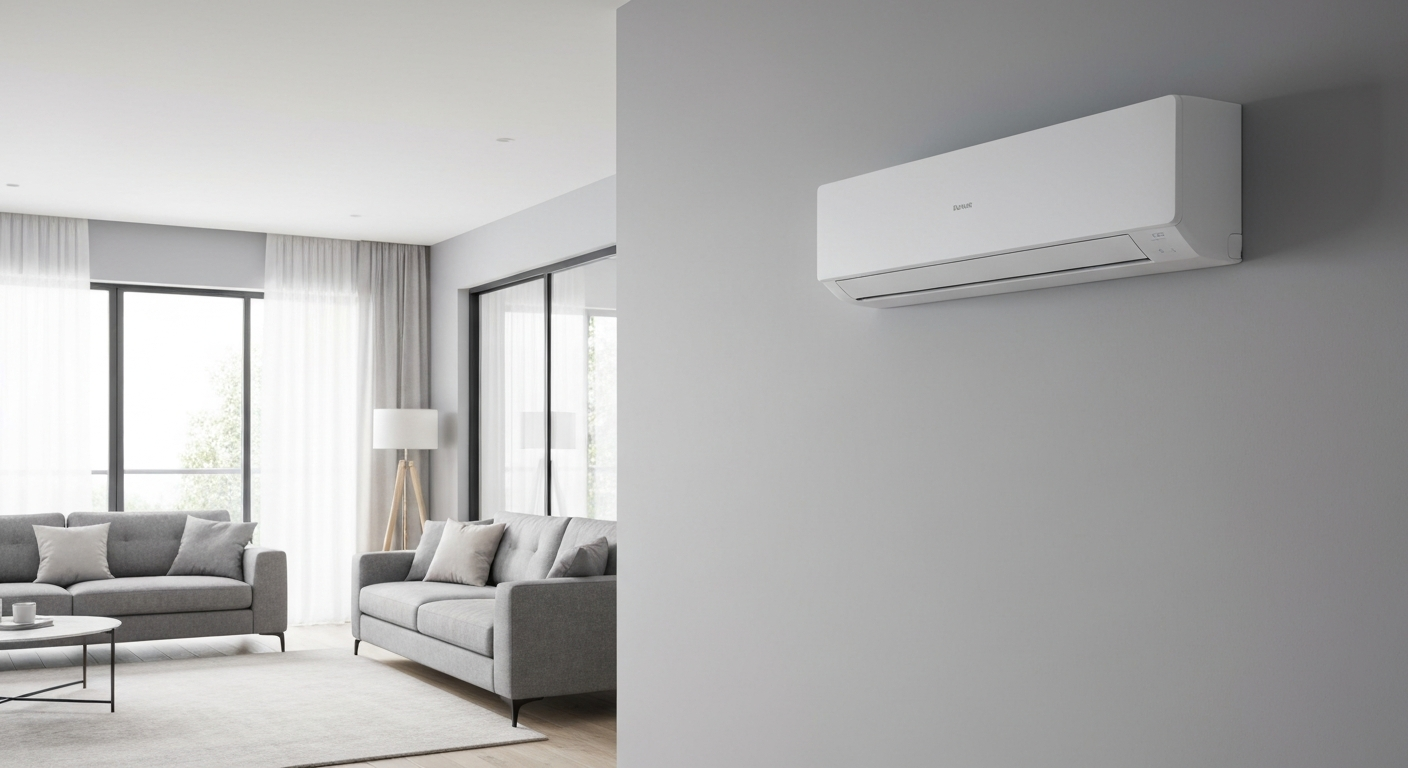
Split systems (one outdoor unit connected to one indoor unit) or multi-split systems (one outdoor unit connected to several indoor units) are the most common and accessible options. They are perfect for cooling individual rooms or properties where renovations are not possible.
- Advantages: Their main appeal is the lower initial cost and speed of installation. They do not require false ceiling renovations. Additionally, if one unit fails, the rest of the house still has air conditioning. They are ideal for apartments in central Madrid or neighborhoods like Chamberí or Salamanca where you only need to cool the living room and master bedroom.
- Disadvantages: The visual impact is higher, as the machines hang on the wall. Furthermore, air distribution is not as uniform as in a centralized system, potentially creating colder spots near the unit.
Ducted Systems: Aesthetics, Silence, and Total Comfort
If you are building a new house or undertaking a full renovation, air conditioning installation in Madrid via ducts is the gold standard. The equipment is hidden in the false ceiling (usually in a bathroom or hallway), and the air travels through invisible ducts to exit through elegant grilles in each room.
- Advantages: The aesthetics are unbeatable; there are no visible appliances. The noise level in the rooms is practically zero, drastically improving your rest. Additionally, the distribution of cold or heat is completely uniform and enveloping. They add significant value to the property.
- Disadvantages: They require building work (false ceiling) to hide the ducts. The initial investment is higher. Without zoning, the whole house is cooled to the same temperature.
The Magic of Zoning (Smart Airzone Systems)
The historical drawback of ducted systems (cooling empty rooms) is solved today with smart zoning. By integrating systems like Airzone, we install motorized dampers in the ducts and smart thermostats in each room. This allows you to have the living room at 24°C, the baby's room at 26°C, and turn off the AC in the guest office, all from the same central machine. This maximizes comfort and skyrockets energy efficiency, significantly reducing electricity consumption.
Maintenance and Indoor Air Quality
Maintenance differs between the two systems. Splits require regular cleaning of the front filters, something the user can easily do. Ducted systems require periodic professional servicing to ensure the ducts do not accumulate dust, mites, or mold, guaranteeing that the air quality you breathe is always optimal and healthy.
Related Articles

What to Expect During a Professional AC Installation
Learn the step-by-step process of how our technicians install your new climate control system cleanly, safely, and efficiently.
Split vs Multi-Split: Which to Install in Your Madrid Home?
Discover the key differences and which is the best option for cooling your apartment, penthouse, or villa.

How Much Does AC Installation Cost in Madrid?
Price breakdown and factors influencing the cost of installing climate control in your property in Madrid.